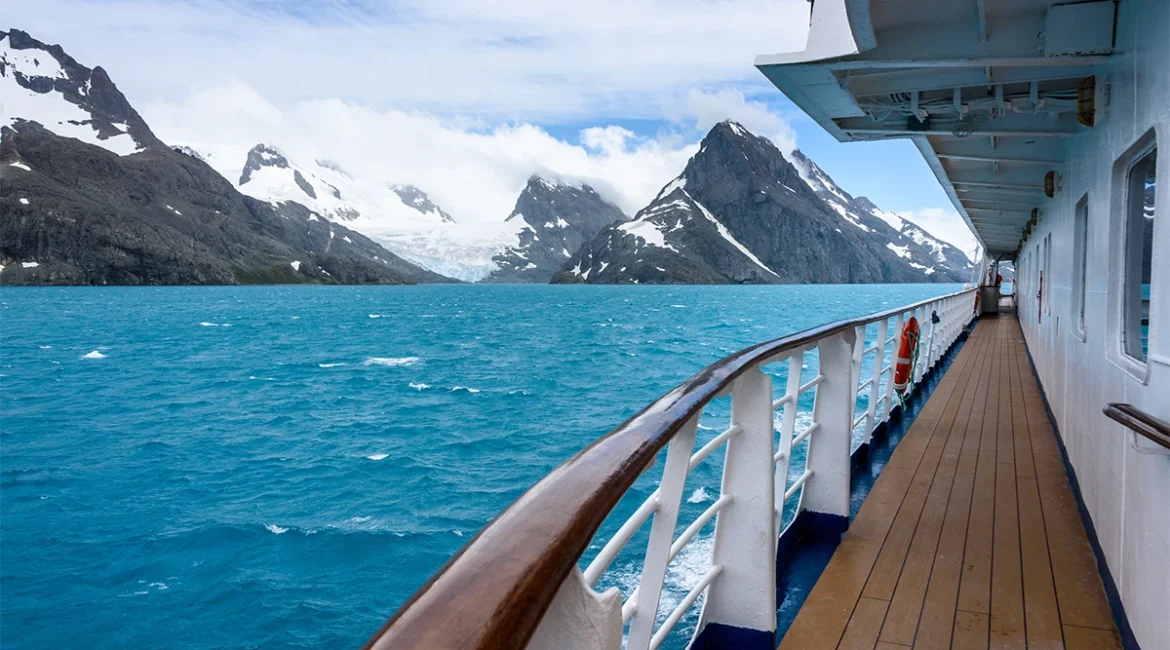
This is the question I get most often from travelers who have decided Antarctica is on the list and are now trying to figure out the details. The answer matters more here than it does for almost any other destination, because Antarctica in November and Antarctica in February are genuinely different experiences. Not better and worse, but different in ways that are specific and meaningful depending on what you are going there for.
The Antarctic season runs from November through March, roughly five months when the continent is accessible by expedition ship. Every week within that window has something to recommend it and something to trade off. My job, working with polar-bound travelers through my Fora and Virtuoso affiliations, is to help people understand those trade-offs clearly enough to choose the timing that is actually right for them.
Here is how the season breaks down, month by month, and what each window delivers.
A note before we get into the details: the best time to visit Antarctica is the time that aligns with what you specifically want to see and experience. There is no universally correct answer. What I can tell you is what each part of the season offers, and what it does not, so you can make the decision with full information rather than a generic recommendation.
If you are still in the early stages of planning and want to understand how Antarctic expedition cruises work before thinking about timing, my overview of Antarctica expedition cruises explained covers the full picture.
November: Early Season, Pristine Ice, and the Energy of Arrival
What November Offers
November is the opening of the Antarctic season, and it has a quality that no other part of the year can replicate. The sea ice is at its most dramatic. The landscape is pristine in the most literal sense: no expedition ships have passed through yet, no penguin colonies have been visited, no footprints exist on the beaches where you will land. There is a genuine feeling of being first, which is rare in the world and essentially unique to early-season Antarctica.
The penguins are actively nesting in November. The colonies are energetic, almost frantic, with birds arriving, establishing territories, and beginning to incubate eggs. Watching a Gentoo colony in full nesting activity is one of the most extraordinary wildlife spectacles I know of. It is loud, chaotic, and completely absorbing.
Daylight is long in November, often eighteen hours or more, which gives expedition leaders flexibility to schedule landings at unusual hours when the light is extraordinary. The low-angle polar sun in early season produces a quality of light that photographers describe as otherworldly. Soft, golden, and persistent in a way that does not happen at other latitudes.
What to Know
November is also the coldest part of the season. Temperatures on the Antarctic Peninsula hover around freezing, occasionally dipping below. The sea ice can complicate routing and occasionally prevents access to certain landing sites. Some bays and channels that are open later in the season remain partially iced in early November, which is part of the drama but also a logistical reality.
Availability in November is generally better than the peak weeks in December and January, and pricing can be slightly lower than the peak of the season. For travelers with flexibility who want the most dramatic ice landscape and do not mind cooler conditions, November is consistently one of my strongest recommendations.
December: Peak Season, Penguin Chicks, and the Height of Summer
What December Offers
December is when Antarctica is at its most alive. The penguin eggs begin hatching in late November and early December, and by mid-December the colonies are full of chicks. Watching a penguin chick demand food from a parent, or observing the chaotic energy of a crèche where hundreds of young penguins huddle together while adults return from fishing, is something that does not translate through photographs. You have to be there.
The weather in December is as reliable as Antarctic weather gets. Temperatures are warmer than November, typically a few degrees above freezing on the peninsula, and the days are at their longest. Around the summer solstice, some expeditions experience the midnight sun: the phenomenon where the sun does not fully set, and the light at midnight is the color of late afternoon. Standing on deck at midnight in full daylight in Antarctica is the kind of experience that makes the whole journey feel unreal in the best possible way.
Whale activity increases significantly in December as humpbacks, minkes, and orcas move into Antarctic waters following the krill. Zodiac cruises in December frequently encounter whales at close range.
What to Know
December is the most in-demand part of the Antarctic season, and it shows in both pricing and availability. The best ships and the most desirable departures book out twelve to eighteen months in advance for the peak December weeks. Travelers who decide in September that they want to go to Antarctica in December are almost always disappointed by what remains available.
I plan December departures well in advance and always tell my travelers: if December is the window you want, we need to be talking at least a year out.
January: Long Days, Active Wildlife, and the Warmest Conditions
What January Offers
January is the warmest month in Antarctica, which in practical terms means temperatures on the Antarctic Peninsula that can reach five to eight degrees Celsius on a good day. The ice has retreated further than in November or December, opening access to landing sites and channels that are not always reachable earlier in the season. Some of the most remote and rarely visited areas of the peninsula become accessible in January.
The penguin chicks born in November and December are now growing rapidly and beginning to fledge. The colonies are active in a different way from the nesting frenzy of earlier months: more mobile, noisier, with juveniles beginning to venture toward the water for the first time. Seal pups are also prominent on the beaches in January, and whale activity remains high.
January is also when the broader expedition community is most active in Antarctica, which has implications for the on-ice experience. More ships means more people at the most popular landing sites, which is managed by IAATO regulations but is worth understanding before you go.
What to Know
Like December, January is a high-demand month and books quickly. The slightly warmer conditions and the wider access that comes with retreated ice make it appealing to first-time Antarctic travelers who want the most accessible version of the experience. I recommend January particularly for travelers who are uncertain about cold tolerance or who specifically want the best chance of warmer, calmer conditions for their landings.
The question I am most often asked about January is whether the wildlife is still as dramatic as in November and December. The honest answer is that it is different rather than lesser. The nesting energy of early season gives way to the fledging energy of late season, and both are extraordinary. What you trade off is the pristine ice of November. What you gain is warmth and access.
February: Late Season, Whale Watching, and Dramatic Skies
What February Offers
February is the last full month of the Antarctic season and has qualities that are genuinely its own. The whale activity in February is at its peak. Humpbacks in particular are feeding intensively in the krill-rich waters around the peninsula, and Zodiac encounters with whales in February are some of the most remarkable wildlife experiences the continent offers. I have spoken with travelers who chose February specifically for the whales and came home saying it exceeded everything they expected.
The light in late February takes on a quality that is different from the high summer light of December and January. Lower on the horizon, warmer in color, it produces a particular quality of ice photography that experienced wildlife photographers often prefer to the brighter conditions earlier in the season. The ice that remains in February has been sculpted by months of melt and movement into forms that the denser early-season ice does not take.
February tends to have slightly better availability and occasionally better pricing than December and January, particularly for last-minute travelers who have flexibility.
What to Know
The penguin chicks have largely fledged by February and the colonies are quieter. If penguin nesting activity is the primary draw, February is the weakest month for it. The season also begins to wind down toward the end of February, with some operators completing their final departures by late in the month.
Weather variability increases in February as the austral summer begins to turn. Conditions are still manageable, but the reliability of the calmer summer weather is slightly lower than in December and January.
March: The Edge of the Season
A small number of operators run expeditions in early March, extending the season as far as it can go. These voyages are for travelers who want the most unusual version of the Antarctic experience: retreating wildlife, increasing sea ice forming at the edges of the season, dramatically variable weather, and the knowledge that almost no one else is there.
March is not my standard recommendation for first-time visitors. The wildlife activity is reduced, the conditions are less predictable, and the sense of the continent returning to itself, shutting down for the eight months of polar winter, is more atmospheric than it is visually abundant. For the right traveler, that atmosphere is precisely the point. For most, November through February is the window that delivers the Antarctic experience they are imagining.
How to Choose the Right Timing for You
The decision usually comes down to three questions.
- What do you most want to see: Nesting penguins and pristine ice: November. Penguin chicks and midnight sun: December. Warmest conditions and wide access: January. Whale watching and dramatic late-season light: February.
- How much flexibility do you have on dates: If you can travel any time in the season, the full range is open. If you have a narrow window, we work with what the season offers in that window. November and February tend to have better availability than December and January.
- How far in advance are you planning: December and January require the longest lead time. If you are reading this more than twelve months before you want to travel, all options are on the table. If you are planning for the coming season, November and February are where availability is most likely to exist on good vessels.
The travelers who are most satisfied with their Antarctic timing are almost always the ones who made a deliberate choice based on what they specifically wanted, rather than defaulting to whatever departure was available. That deliberateness is exactly what the planning process is for.
What I Recommend Most Often
If I had to choose a single month to send a first-time Antarctic traveler with no constraints on timing, it would be late November or early December. You get the pristine ice of early season combined with the beginning of the penguin nesting activity and chick hatching, daylight that is nearly continuous, and conditions that are cold but manageable. The combination of wildlife, landscape, and light in that window is as good as Antarctica gets.
But this is genuinely a decision that should be made based on your specific priorities, not mine. That conversation is one I have with every traveler I work with before any booking is made.
Contact me today to talk through the timing that makes the most sense for your Antarctic expedition. The best departures fill early, and the earlier we start, the more options are available.