
Understanding How River and Ocean Cruises Deliver Very Different Travel Experiences
Cruising is often spoken about as a single category of travel, but river cruises and ocean cruises offer fundamentally different experiences. While both involve traveling by ship and visiting multiple destinations, the scale, pace, atmosphere, and purpose of each journey are dramatically different.
River cruises focus on cultural immersion, smaller ships, and direct access to historic cities and inland destinations. Ocean cruises often times emphasize entertainment, onboard amenities, and expansive itineraries across large bodies of water. Understanding these differences helps travelers choose the experience that aligns with their expectations, travel style, and priorities.
For travelers considering a cruise for the first time, or those deciding between river and ocean options, the distinction goes far beyond ship size. It shapes everything from how destinations are experienced to the overall atmosphere onboard.
Ship Size and Onboard Atmosphere
One of the most noticeable differences between river and ocean cruising is scale.
Although there are some exceptions, many ocean cruise ships are massive floating resorts that can carry anywhere from 2,000 to more than 6,000 passengers. These vessels are designed as self-contained destinations featuring theaters, casinos, water parks, shopping promenades, and multiple dining venues.
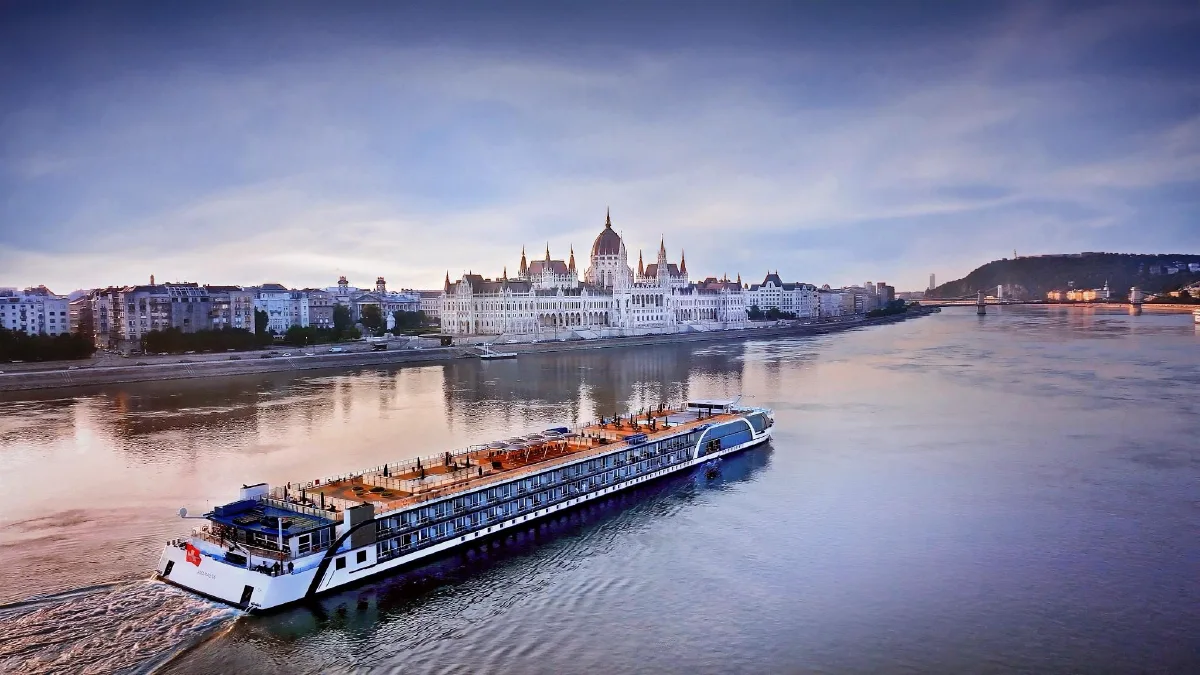
River cruise ships are intentionally small. Most accommodate between 100 and 200 guests, creating a quieter, more intimate environment. Instead of large-scale entertainment venues, river ships typically focus on comfortable lounges, panoramic viewing decks, and smaller dining spaces.
The difference in scale affects the entire travel experience:
- River cruises emphasize relaxation, conversation, and destination-focused programming.
- Ocean cruises provide extensive entertainment, nightlife, and activity options.
- River ships foster a more social, community-oriented atmosphere where guests often interact regularly.
For travelers seeking a peaceful, culturally focused journey, river cruising offers a more refined and personal environment.
Destinations and Geographic Access
The most defining difference between river and ocean cruises lies in where each type of ship can travel.
Ocean cruises visit coastal cities and island destinations, often requiring transportation from port to reach major attractions. Travelers may spend significant time commuting from large cruise terminals to city centers.
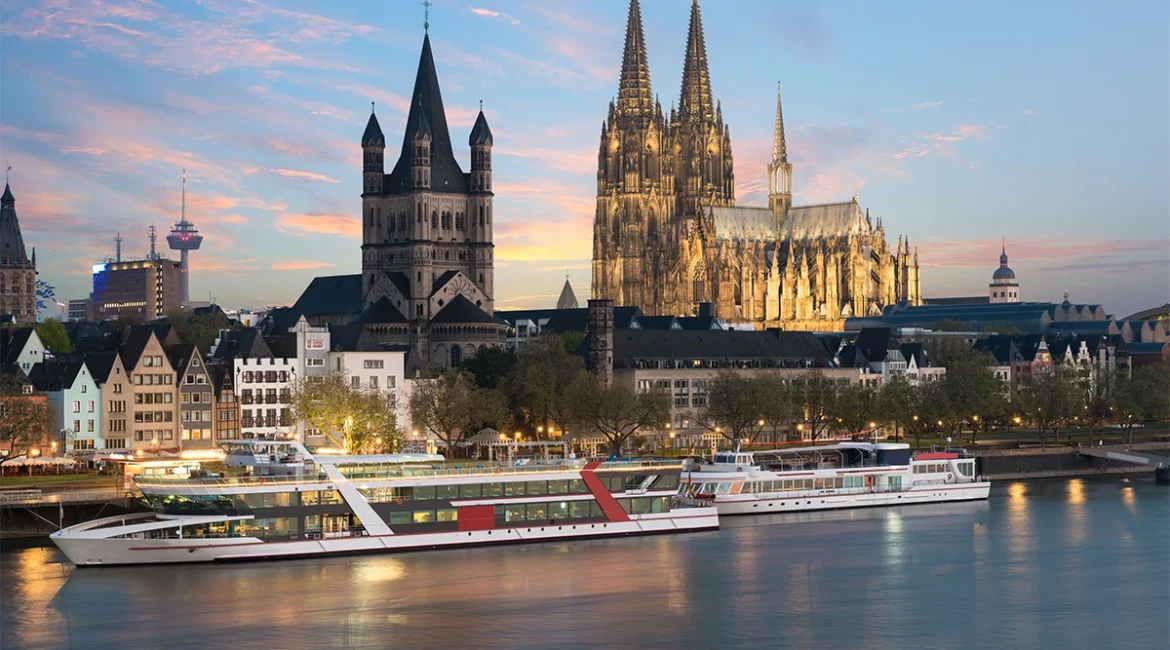
River cruises travel directly through the heart of destinations. Ships dock in city centers or historic districts, allowing passengers to step off the vessel and immediately begin exploring.
This direct access creates a fundamentally different travel experience:
- River cruises provide immediate access to historic towns and cultural landmarks.
- Ocean cruises focus on coastal and island destinations.
- River itineraries emphasize inland regions that are inaccessible to large ships.
Popular river cruise routes include the Rhine, Danube, Seine, Douro, Mekong, Nile, and Amazon rivers. These journeys often connect multiple countries and cultures within a single itinerary while providing constant proximity to local life.
Pace of Travel and Daily Experience
River cruising follows a slower, more immersive pace compared to ocean cruising.
Ocean cruises often include full days at sea between destinations. These sea days are designed for enjoying onboard amenities, entertainment, and activities rather than destination exploration.
River cruises rarely include extended time without scenery or destination access. Ships typically travel at night or during meal times, ensuring travelers wake up in a new location almost every day. Because rivers flow through populated regions, the landscape is constantly visible, offering an ongoing connection to the surroundings.
The daily rhythm differs significantly:
- River cruises emphasize exploration and guided excursions.
- Ocean cruises balance destination visits with onboard recreation.
- River itineraries typically involve more time ashore.
This structure appeals strongly to travelers who prioritize cultural experiences over ship-based entertainment.
Cultural Immersion and Destination Focus
River cruises are widely regarded as one of the most immersive forms of travel available. The entire experience is designed around connecting travelers with local culture, history, and traditions.
Excursions often include guided walking tours, museum visits, wine tastings, cooking demonstrations, and visits to historic sites. Many itineraries emphasize regional cuisine, local experts, and educational programming.
Ocean cruises also offer excursions, but the experience tends to be broader and less integrated into the overall journey due to the scale of operations and shorter port visits.
River cruises typically include:
- Smaller guided groups
- More in-depth cultural programming
- Strong regional storytelling and education
- Local culinary experiences
This focus makes river cruising particularly appealing to travelers who want to understand a destination rather than simply visit it.
Onboard Experience and Entertainment Style
Entertainment is a defining feature of ocean cruising. Ships often feature Broadway-style shows, live music venues, comedy performances, casinos, and large activity programs designed for diverse audiences.
River cruises take a different approach. Entertainment is typically understated and culturally focused, such as:
- Guest lectures on regional history
- Local musicians and performers
- Wine tastings and culinary presentations
- Educational enrichment programs
The onboard environment is quieter and more relaxed, encouraging conversation and reflection rather than high-energy nightlife.
Travelers seeking a resort-style vacation often prefer ocean cruises, while those interested in culture and learning gravitate toward river journeys.
Dining and Culinary Approach
Dining experiences also differ between river and ocean cruising.
Ocean cruises offer extensive restaurant options, often featuring multiple specialty venues and large buffet operations. The emphasis is on variety and choice across large guest populations.
River cruises typically provide a more curated culinary experience that reflects the regions visited. Menus frequently highlight local ingredients and traditional dishes, and meals often pair with regional wines or beverages.
Because of the smaller number of passengers, river cruise dining feels more personal and less crowded, reinforcing the intimate nature of the experience.
Passenger Demographics and Travel Style
The typical traveler profile differs between the two cruise types.
Ocean cruises attract a broad range of travelers, including families, large groups, and multigenerational vacations. The variety of onboard activities supports diverse interests and age groups.
River cruises tend to appeal to travelers who prioritize cultural exploration, history, and comfort. While river cruising demographics are expanding to include younger travelers and families, the experience remains more relaxed and intellectually focused.
Travelers often choose river cruises when they value:
- Cultural depth over entertainment
- Smaller group experiences
- Scenic landscapes and historic destinations
- A slower pace of travel
Itinerary Structure and Excursion Style
River cruise itineraries are typically structured around daily guided excursions, many of which are included in the overall fare. The goal is seamless exploration without complex logistics.
Except for excursion cruises, ocean cruises often offer excursions as optional add-ons, with larger groups and more varied activity types. The structure allows greater flexibility but can require more planning.
River cruise experiences are generally more curated, while ocean cruise excursions provide broader choice and variety.
Choosing Between River and Ocean Cruises
Selecting between river and ocean cruising depends on personal travel priorities rather than one option being objectively better.
River cruises may be the right choice for travelers who want:
- Cultural immersion and local experiences
- Smaller ships and quieter environments
- Direct access to historic cities
- Educational and destination-focused travel
Ocean cruises may appeal more to travelers seeking:
- Extensive onboard entertainment
- Resort-style amenities
- Family-friendly activities
- Large-scale ship experiences
Understanding these distinctions helps travelers choose the journey that best matches their expectations.
Why Expert Guidance Matters When Choosing a Cruise Experience
With hundreds of cruise lines, ship types, itineraries, and destinations available, selecting the right cruise requires careful evaluation of travel style, comfort expectations, and destination goals. River and ocean cruising each offer distinct advantages, and the best choice depends on aligning the experience with individual preferences.
Working with a travel advisor helps clarify these decisions, compare cruise options, and identify opportunities for exclusive benefits and upgrades that may not be available through direct booking channels.
Plan the Right Cruise Experience with Tray Tables Up
Choosing between river and ocean cruising is only the first step in designing a meaningful travel experience. The right ship, itinerary, and destination can transform a trip from enjoyable to extraordinary.
Tray Tables Up helps travelers navigate cruise options, compare itineraries, and secure preferred accommodations and exclusive benefits while designing journeys tailored to individual travel goals. Whether the priority is cultural immersion, luxury comfort, or destination-driven exploration, expert guidance ensures every detail aligns with the experience you want.
Connect with Tray Tables Up to begin planning a cruise experience designed specifically for how you want to travel.