
Africa has a way of getting under your skin. The vast open skies, the stillness of the bush at dawn, the sudden drama of a predator on the move. But the continent is enormous, and the range of safari experiences available today is wider than most travelers realize. Choosing the right one is not just about picking a destination. It is about understanding who you are as a traveler and what kind of journey will actually resonate with you.
This is where profile matching matters. The best safari for a couple celebrating an anniversary looks very different from the best safari for a multigenerational family, an adventure-first solo traveler, or a pair of wildlife photographers who want to spend six hours waiting for the perfect shot. Getting this right from the start is the difference between a trip that meets expectations and one that genuinely changes you.
What Type of African Safari Experience Is Right for You?
Most people begin their safari research by asking which country to visit. That is actually the wrong starting point. The better first question is: what do you want to feel, see, and do each day on safari?
Classic game drive safaris are the foundation of most African itineraries, and for good reason. Morning and evening drives with expert guides and trackers give you the highest chance of wildlife encounters while keeping the experience comfortable and well-paced. This format suits most traveler profiles, from first-timers to veteran safari guests, and pairs seamlessly with luxury lodge stays across East Africa, southern Africa, and the private reserves of South Africa.
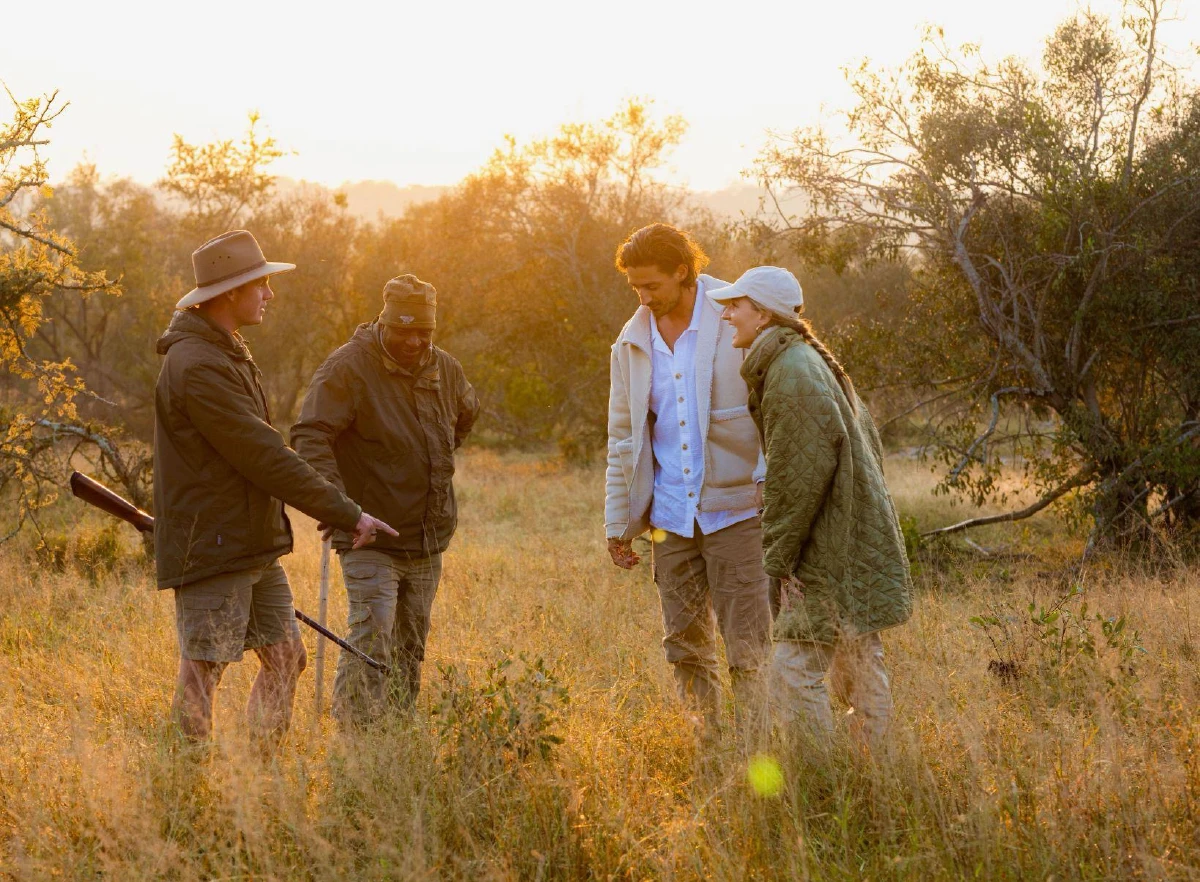
Walking safaris offer an entirely different dimension to the African wilderness. Moving through the bush on foot, reading animal tracks, and experiencing the landscape at ground level is intimate and exhilarating in ways a vehicle simply cannot replicate. Zambia and Zimbabwe are particularly renowned for their walking safari traditions, with camps built around small groups and highly skilled guides. This experience rewards travelers who want depth over convenience and are comfortable with a more immersive style of luxury.
Water-based safaris in destinations like Botswana’s Okavango Delta or along the Chobe River introduce a perspective that land-based game drives cannot offer. Gliding through reed channels by mokoro canoe, watching elephants cross the floodplains, and drifting past hippo pods at sunset is the kind of scene that stays with you long after you return home. These experiences tend to attract travelers drawn to atmosphere and natural beauty as much as wildlife density.
Fly-in safari itineraries are the choice of travelers who want maximum time in the wilderness with minimum time on the road. Small charter planes connect remote camps across different ecosystems, making it possible to experience the Okavango Delta, the Linyanti, and the Chobe in a single trip without exhausting road transfers. This format is popular in Botswana, Kenya, and Tanzania, and tends to appeal to guests who have already done a classic safari and want to go deeper into the continent.
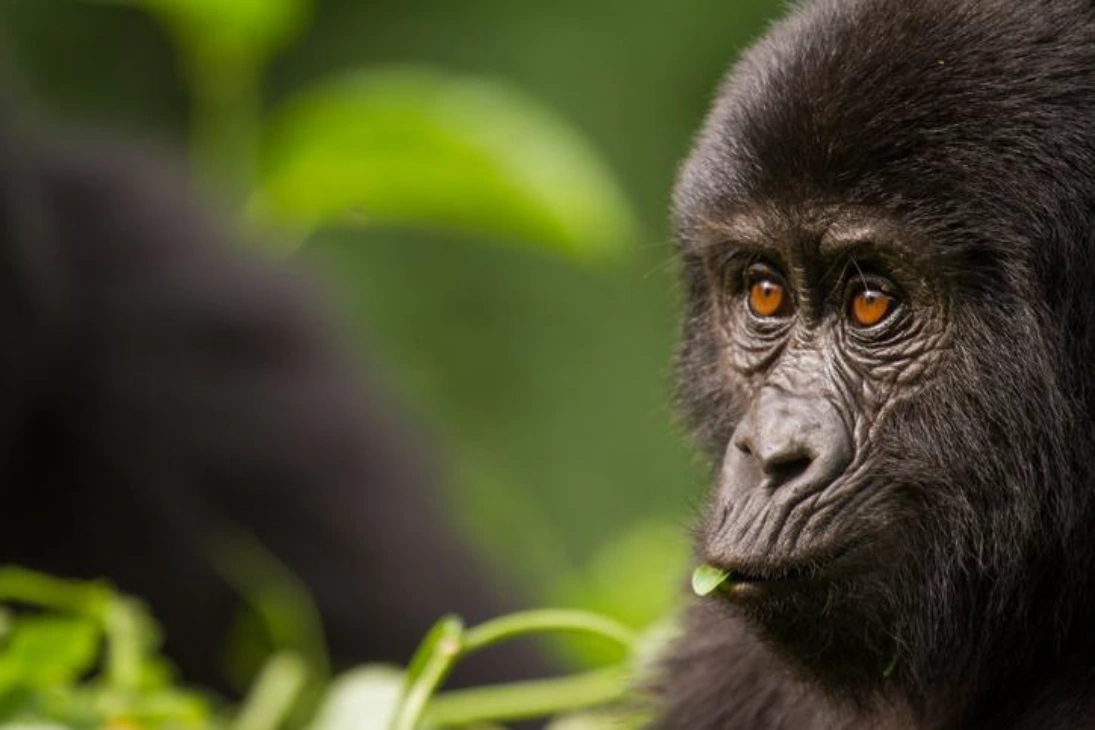
Gorilla trekking in Uganda or Rwanda is in a category of its own. Spending an hour with a habituated mountain gorilla family in the cloud forest is one of the most emotionally powerful wildlife encounters available anywhere in the world. It pairs beautifully with a classic East African safari and is particularly meaningful to travelers who are drawn to conservation as much as adventure.
How to Match Your Safari Destination to Your Wildlife Priorities
Once you know the type of experience you want, destination selection becomes far more straightforward. Each region of Africa has a distinct character, and the strongest itineraries are built around a clear match between what the destination delivers and what the traveler is actually seeking.
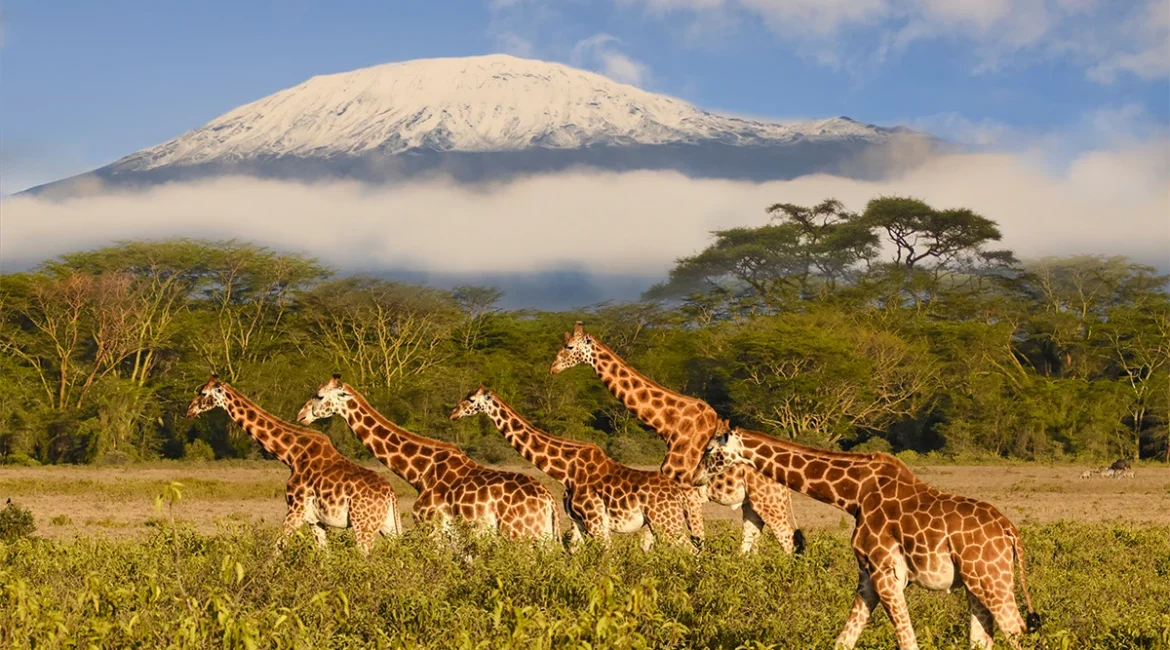
East Africa (Kenya and Tanzania) is home to the Great Migration, one of the greatest wildlife spectacles on the planet. Hundreds of thousands of wildebeest move in a dramatic seasonal cycle between the Serengeti and the Masai Mara, with river crossings peaking between July and October. For travelers whose priority is iconic African landscape and sheer wildlife volume, this region is hard to match. Kenya’s Maasai Mara and Tanzania’s Serengeti and Ngorongoro Crater are among the most storied safari destinations in the world for good reason.
Botswana is the gold standard for exclusivity and untouched wilderness. Strict limits on tourist numbers, a conservation-first approach to land use, and the extraordinary ecosystem of the Okavango Delta make this the destination of choice for travelers who prioritize seclusion and a genuine sense of being somewhere few people have been. Luxury camps here are small, remote, and exceptional. This is not a destination for light budgets, and it should not be.
South Africa’s private reserves, particularly the Sabi Sands adjacent to Kruger National Park, deliver world-class Big Five game viewing with a level of lodge luxury that rivals the finest properties anywhere in the world. Accessibility is excellent, internal flights are short, and the absence of malaria risk in certain regions makes South Africa the most family-friendly safari destination on the continent. South Africa also offers a diversity of experiences beyond safari, including cultural and world-class dining explorations in Cape Town, as well as visits to wineries in the Winelands. For first-time safari guests and families traveling with a range of ages, this is often the ideal starting point.
Zambia and Zimbabwe offer a rawer, more adventurous brand of luxury for travelers who want fewer tourists and more wilderness. The walking safari tradition runs deep here, the guiding quality is exceptional, and the landscapes along the Zambezi and in the South Luangwa Valley are genuinely wild. Victoria Falls, one of the most spectacular natural landmarks in the world, anchors many Southern Africa itineraries and pairs well with a Botswana or Zimbabwe safari combination.
Free Download
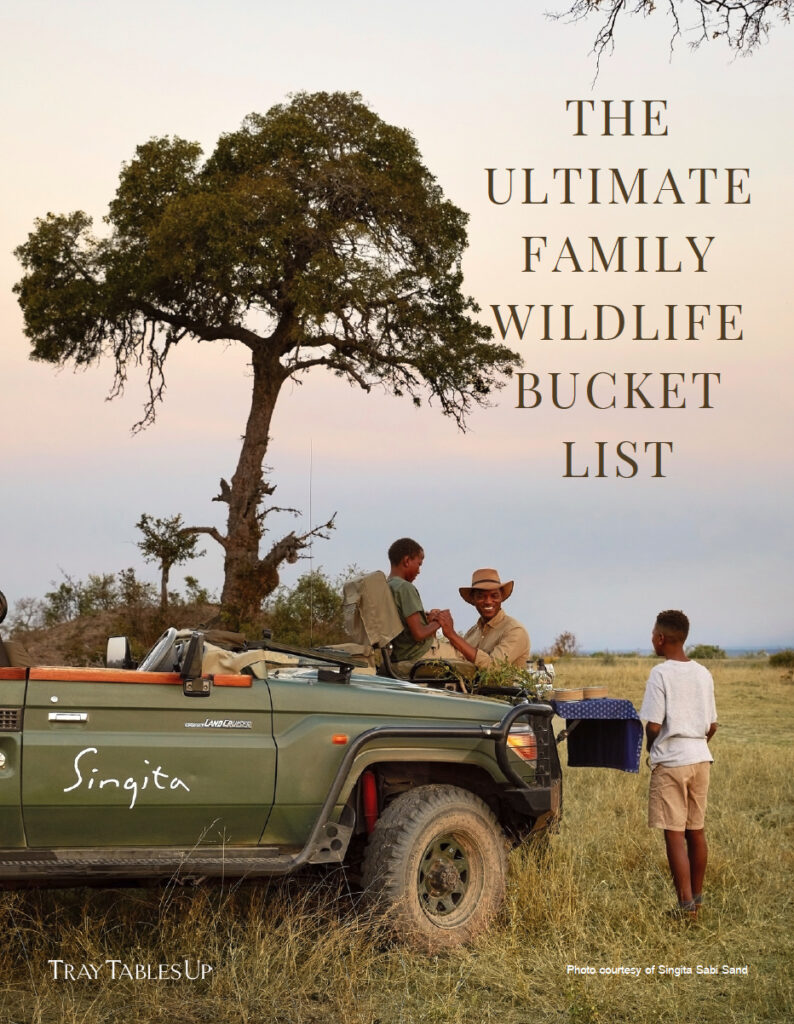
The Ultimate Family Wildlife Bucket List
10 extraordinary wildlife destinations chosen specifically for families. Download your free guide to start planning.
Download Free GuideWhat Luxury Safari Accommodations Actually Deliver
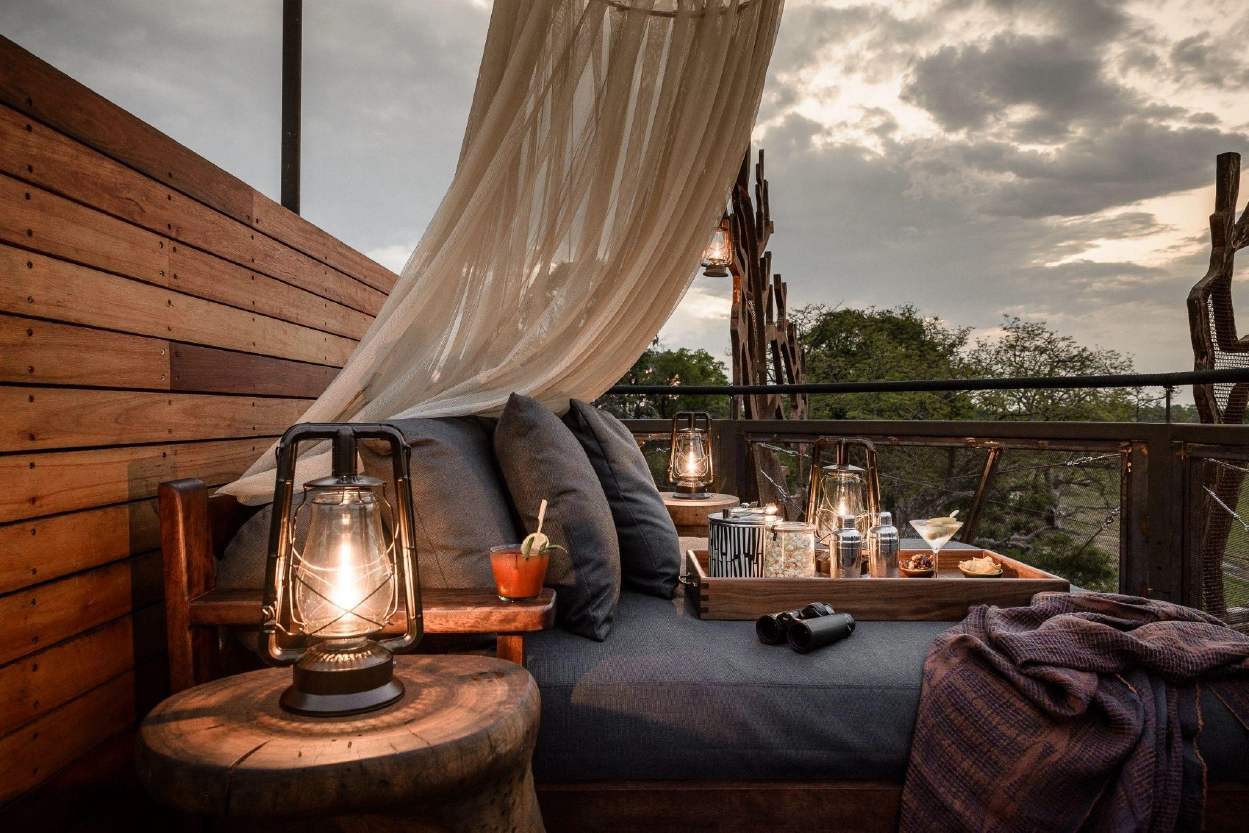
Luxury on safari does not mean the same thing to every traveler, and the continent’s best camps understand this. For some guests, luxury means a beautifully designed suite with a private plunge pool overlooking a waterhole, butler service, and a chef who can accommodate specific dietary preferences. For others, it means the luxury of waking before dawn and having the entire bush to themselves, guided by someone who has spent twenty years reading animal behavior in this specific landscape.
The private reserves of South Africa, Botswana, and Kenya’s conservancies deliberately limit guest numbers. The difference between a camp that houses twelve guests and one that houses a hundred is not just comfort. It is the quality of every game drive, the ability to follow a leopard off-road without competing for position, and the genuine sense of seclusion that makes a safari feel like it was designed specifically for you.
When evaluating lodges and camps, look beyond the aesthetic. The guide-to-guest ratio, the conservation credentials of the property, the ecological richness of the surrounding area, and the depth of the human stories woven into the experience are what separate a genuinely exceptional luxury safari from a beautiful hotel that happens to be near wildlife.
Planning a Family or Multigenerational Safari in Africa
Families and multigenerational groups require an additional layer of planning that goes well beyond choosing a destination. Not all properties welcome young children, and those that do tend to offer junior ranger programs, family-friendly game drive vehicles, and accommodation layouts that give families their own space without feeling disconnected from the broader experience.
South Africa is generally the most family-accessible safari destination, with short international connections, malaria-free game reserve options in the Eastern Cape and KwaZulu-Natal, and a well-developed infrastructure for travelers with a wide range of ages and comfort levels. East Africa works beautifully for families with older children and teenagers, particularly when the itinerary is built around the Great Migration or a gorilla trekking permit.
For multigenerational groups, private villa or exclusive-use camp bookings are worth serious consideration. Having the entire camp to yourselves means shared meals at flexible times, private game drives at the pace that works for everyone, and the ability to build an experience that genuinely brings the group together rather than simply putting them in the same place.
Best Time to Go on an African Safari by Destination and Season
When you go is nearly as important as where you go. Africa’s seasons are defined by wet and dry cycles rather than temperature, and each has a distinct character that shapes the safari experience significantly.
The dry season, typically May through October across most of southern and East Africa, concentrates wildlife around water sources and delivers the clearest skies and most reliable game viewing. Vegetation is sparse, animals are easier to spot, and the overall experience is highly predictable in the best sense. This is peak season for a reason, and the most sought-after camps fill up quickly.
The green season, broadly November through April, has genuine appeal for the right traveler. Landscapes are lush and dramatically beautiful, migratory birds arrive in extraordinary numbers, newborn animals are abundant, and many top camps offer reduced rates. Photographers and birding enthusiasts often prefer this time of year. The trade-off is that thicker vegetation and longer grass can make wildlife harder to spot consistently.
What the broad seasonal guidelines don’t capture is that Africa is full of microclimates. Even within a single region, elevation, proximity to water, and local geography can shift conditions in ways that a calendar alone won’t tell you. A valley that drains quickly might offer excellent game viewing weeks before the surrounding area does. A hillside camp might stay cooler and more comfortable during months that feel brutal elsewhere. These nuances matter, and they’re exactly the kind of detail the on-the-ground experts that Tray Tables Up partners with know by heart. They’ve walked this land, tracked these seasons, and can give you guidance that goes far beyond what any general rule of thumb can offer.
Work With a Luxury Travel Advisor Who Knows African Safari Intimately
Africa is too extraordinary, and too varied, to leave to guesswork. The right safari is out there. It might be a fly-in journey between three remote Botswana camps with no more than eight other guests in the entire reserve. It might be a South African private reserve stay designed around your family’s ages and interests, followed by a few nights in Cape Town. It might begin with gorillas in Rwanda and end on a white-sand beach in Zanzibar.
At Tray Tables Up, every safari recommendation begins with a conversation, not a catalog. We take time to understand how you travel, what matters most to you, and what kind of experience will genuinely resonate before a single camp or itinerary is suggested. Through our partner network, we have access to preferred rates, lodges that only work with local partners, and relationships with the operators who consistently deliver exceptional experiences across the continent. Every itinerary is thoughtfully matched to the people taking the trip.
If Africa has been on your list, contact Tray Tables Up to start the conversation. Your safari is waiting.